Brighter, longer-lasting headlights — properly aimed so you see more without blinding anyone else.
Oncoming drivers flashing their brights at you. A dashboard warning light for a "bulb out" that isn't actually out. LEDs that flicker at idle. Upgrading to LED or HID is one of the highest-value safety upgrades you can make — but skip the aiming and CAN bus adapter, and you trade one problem for two new ones. Pro Car installs, aims, and adds CAN bus adapters where needed, then tests in dark conditions before you leave.


We remove factory headlights, install upgraded LED, HID, or premium halogen units, add CAN bus adapters if needed, aim the headlights properly, and test in dark conditions.

No glare complaints, no oncoming flashes.
No false "bulb out" warnings.
Legal and safe for Massachusetts roads.
Backed by 5,100+ Google reviews.
Verified before you drive off, not assumed.
Serving all of Greater Boston.
Posted on Google
 Oneshotpapi61751 days ago
Trustindex verifies that the original source of the review is Google.
This shop and it's service is phenomenal. They help on what you need in installing what you want in your car. And they giving you the best price possible beat others around the city!!!! Definitely recommend them.Posted on Google Kristen F51 days agoGreat service, accommodated a same day appointment!! Thank you guys SO much!!Posted on Google
 Elivelton Roque51 days agoMuito bom o atendimento e profissionalismo eu indico 100%Posted on Google
 Danielly Santos51 days agoAtendimento excelente! Fui muito bem atendida, com muita atenção, educação e profissionalismo. Com certeza recomendo! ❤️Posted on Google
 EDGY BRAND52 days agoQuick and honest workPosted on Google
 carla sousa52 days agoExcellent service!Posted on Google
 Amanda Carroll52 days agoThese guys are Awesome!! They were so very welcoming, and very thorough!! Thank you for making myself & my 13 year old dog(Molly) feel welcome you guys are great!!!!!!!!!!Posted on Google
 Kelvin Ramirez52 days agoYeah had a great experience, and recommended anyone who wants to install subsPosted on Google
 linda g52 days agoEveryone here was so helpful! Extremely nice ❤️ Superior work! I’d recommend them for all their services!Posted on Google
 Gabriel Graczek53 days agoGreat attendance!Posted on Google
 F8 gmail53 days agoHenrique had great costumer service. Needed help with my tint and he was able to get me same day servicePosted on Google
 William Chin53 days agoGreat service my 3rd install here they have great knowledge of their stuffPosted on Google
 Max Bridgland53 days agoGreat operation here. Friendly and professional. Have gone to them for work on my car for the past 5 years. Would definitely recommend to anybody local needing electrical work done on their vehicles!Posted on Google
 Alexander Pérez cahuec54 days agoLes recomiendo, por qué ellos son muy amable y te ayudan con todo los pases y hacen su trabajo muy bueno+0Posted on Google
 Agim Navarro54 days agoVery professional and great productsPosted on Google
 Turbo Head54 days ago5star servicePosted on Google
 Nicole Levesque54 days agoAbsolutely amazing professional and best price around!!!!Posted on Google
 Angelo Mena54 days agoMuy buena atenciónPosted on Google
 Luis Souza54 days agoObrigado pelo excelente atendimento juninho Marcos Antônio e HenriquePosted on Google
 Vinicius Oliveira56 days agoAtendimento muito bom, produtos de primeira linha. Estou muito satisfeitoPosted on Google
 Amanda Ribeiro56 days agoAtendimento muito bom e explicativo. Com certeza iremos voltarPosted on Google
 Samuel Santos56 days agoAtendimento e Serviço excelentePosted on Google
 John Cargill56 days agoTHEY WERE GREAT GOUP OF GUYS. PRICE WAS GREAT 👍Posted on Google
 Faranella St. Clair56 days agoThe guys were very friendly. I dropped my car off and it was done before the time they said it would you. I have been coming here for years and wouldn’t go anywhere else. Highly recommended.Posted on Google
 Hugo Posadas56 days agoBoston's BestPosted on Google
 Julie N57 days agoIt has taken me more than 3 months to write this review. I visited this place to replace a radio on Toyota Camry, fix my lights and tint my windows. All I can I say is they provided me with the best and quickest service in one day. Am grateful to the whole team. I was skeptical at first and that’s why it took me this long to write a review but 3months down and am happy with my car radio, lights and tint. Thank youPosted on Google
 IMHERETOSTAY1447 H57 days agoI highly recommend very welcoming and very thoroughPosted on Google
 876streetshonda57 days agoAfter following them on Instagram I finally decided to let them install my subwoofer and amp, the customer service is friendly and their work is good. I totally recommend themPosted on Google
 Hammad57 days agoAmbient light install was smooth and quick, the car looks great! I would highly recommend!Posted on Google
 Aparecido Fonseca57 days agoÓtimo serviçoPosted on Google
 Pochlly Telisma Poch59 days agoGostei muito o serviçio 🙏🏿🙏🏿Posted on Google
 Torres Torres59 days agoRealizei hoje a instalação da película na minha van! Ótimo trabalho do pessoal! Está Compania está de parabéns fizerão um ótimo trabalho nos meus carros obrigado.+1Posted on Google
 Rafael60 days agoOtimo atendimento! ParabénsPosted on Google
 Chris Toy60 days agoGreat place to get custom car audio done highly recommended and now I'm here second time to finish the rest of my project great guys great service like I said highly recommend 👍Posted on Google
 DIEGO ALEJANDRO PEREZ JARAMILLO60 days agothe service were very good, they were very friendly, totally recommendPosted on Google
 Jared Palakanis61 days agoGreat service good pricePosted on Google
 Arvin61 days agoQuick, Easy , And amazing work highly recommend 🔥🔥Posted on Google
 kevin portillo61 days agoVery politePosted on Google
 Juan Rujana61 days agoGood job guys+1Posted on Google
 Joseph Patrice Enat61 days agoOh wow! Those guys are incredible. They are professional and fast! Thank you guys! 10/10 🙏🏾🙏🏾👍🏾👍🏾👌🏽👌🏽Posted on Google
 Ryan Moschella61 days agoCame in for window tinting, staff were friendly and the lobby has snacks and water available.Posted on Google
 danny acevedo61 days agoStaff was super helpful in giving me options on remote starters and tint options.Posted on Google
 Marcio Lucio da Cunha63 days agoBom atendimentoPosted on Google
 Jacoby Waithe63 days agoThe staff at Pro Car Sound and Security are very welcoming and polite. They explain the process of everything. They make their customer’s priority. I was very satisfied and the work is outstanding. Will definitely be coming back for more work done on my car!Posted on Google
 THEHAROLD YESID63 days agoExcelente servicio en Pro Car Sound & Security Me instalaron el sistema de audio las bocinas la pantalla y el remote start y todo quedó excelente Se nota que saben lo que hacen trabajan limpio y con mucho cuidado El resultado quedó mejor de lo que esperaba Muy buena atención y precios razonables Sin duda los recomiendo y volvería a llevar mi carro con ellos 🔥🔊🚗Posted on Google
 Caio Mayer63 days agoGreat service, good price. Answered all my questions about the sub I bought. Will definitely come back for future servicesPosted on Google
 Jay Guild63 days agoWent in on a Saturday morning to see pricing on subs for my 2026 chevy silverado and theywere able to install that day. Great staff and pricing. My place for car audio from now onPosted on Google
 rafael couto63 days agoI recommend the service for its speed and quality.Posted on Google
 Moses Brown64 days agoCustomer service is wonderful and Communication between staff and customers on point. The technician did a good job.Posted on Google
 R A64 days agoThis place is the best. They are professionals and know their jobs very well.I had my dash cam installed here and they did a very great job MY car being a Mercedes I was skeptical of the others but when I got in contact with Pro Car I had no doubt in my head that these guys were good.They did a very great job with the installations.Their work didn't affect the electrical installations of my Mercedes. On my second trip to ProCar these guys proved they were still on top of the game and their business. They never disappoint. I wish they could include car painting as one of their specialties though. They are very great at what they do.+2Posted on Google
 NJA CRYO64 days agoGreat service, did fast than expected!Posted on Google
 Michael Mesias64 days agobest shop to go for music 10/10Posted on Google
 t p65 days agoFast, helpful, informative & overall AWESOME experience! Upgraded a factory 2007 CRV stereo to an apple CarPlay pioneer and these folks made it SO EASY! They even have candy & cookies in their waiting room. 🤭Posted on Google
 Pierre Michel Leronne65 days agoGood service and at timePosted on Google
 supreme dog65 days agoGreat service, and workPosted on Google
 Hair It Is Barbershop66 days agoThis place is sooo professional and clean broPosted on Google
 Greg Marks66 days agoGreat Service and great prices 👍Posted on Google
 Luis Gonzalez66 days agoBuen servicio.Posted on Google
 Yorka Nuñez67 days agoExcellent servicePosted on Google
 Josia payan67 days agoExcelente servicio, cálida súper recomendablePosted on Google
 Allandy Helme Toussaint67 days agoThe service was professional and good reception Thank you ...+2Posted on Google
 Pedro Henrique68 days agoGalera top 5⭐️Posted on Google
 Thiago Henrique68 days agoAtendimento top, resolveram todos meus pedidos. Os caras sao bons.Posted on Google
 Rogerio Cabana68 days agoMuito bom…Posted on Google
 Master General Construction68 days agoTop, very nice all that guys..Posted on Google
 Chichi Bb Yajaira70 days ago"Excellent work and great communication. Highly recommended!"Posted on Google
 Michael Mesias70 days ago10/10 servicioPosted on Google
 Megalodon 190570 days agoGreat servicePosted on Google
 Ridingloft Limo70 days agoWhile they are well-known for window tinting, I love that they handle a wide range of other automotive services too. True professionals who go above and beyond for their customers. I highly recommend bringing your car here for any service you might need!"Posted on Google
 Shihab Fatiwala70 days agoI had a great experience at Pro Car Sound & Security. Henry was extremely helpful throughout the whole process of getting my window tints done. He took the time to answer all my questions, explained my options clearly, and made sure everything went smoothly from start to finish. The customer service was excellent, and the tint came out exactly how I wanted it. If you’re looking for a shop that does quality work and treats customers right, I definitely recommend Pro Car Sound & Security. Thanks again, Henry!Posted on Google
 Cole Fitzpatrick70 days agoEfficient & Friendly service. Very easy process.Posted on Google
 Daniela Guedes71 days agoGood servicePosted on Google
 Gavin Callender71 days agoHenry was greatPosted on Google
 Tiago Angelo Faltz71 days agoTop atendimentoPosted on Google
 nicholas20076271 days agovery helpful and did what i askedPosted on Google
 Manuel Ryes71 days agoExcelentePosted on Google
 Oscar Gil blanco71 days agoSúper buenoPosted on Google
 Fredy Jesús Pacheco gil71 days agoMuy bienPosted on Google
 Marcos Vinícius Pires Bragança71 days agoÓtimo serviço me ajudaram muito nota 10!!!’Posted on Google
 James Brown71 days agoFabrizio had wonderful customer service. Equipment was Amazing. They have a inviting waiting room. And the staff offered coffee,water,snacks while you wait. Air conditioned and Clean. 5 stars.Posted on Google
 Aguinaldo Ferreira72 days agoAtendimento top dos carasPosted on Google
 Gabriel Cintron Cardona72 days agoExcelentePosted on Google
 UrMaMa72 days agoSuper nice people and courteous!!! They inform you right away if your car will require more time than usual instead of keeping you not informed about it. The machine for the tints broke down and they informed me right away and told me how long it was going to take. Which i re-scheduled the tints. That saved me a lot of unnecessary waiting time and it’s greatly appreciated! Place is well recommended by a lot of ppl. Start believing it!!! Great team and customer services. Edit: After couple of days came back to do the tints and it was a quick talk with staff and they got to do the work right away. Waited until they were done and it was looking great and professional! Well recommended.Posted on Google
 Júlia72 days agoOtimo trabalho, e um atendimento excelente!Posted on Google
 Marcelo Fernandes72 days ago⭐⭐⭐⭐⭐ Excelente produto! A instalação ficou muito boa e o funcionamento é exatamente como esperado. Agora consigo ligar o carro à distância, o que faz muita diferença nos dias de frio e calor intenso. O alcance é bom, a resposta é rápida e o sistema funciona de forma confiável. Recomendo para quem deseja adicionar a função de partida remota sem complicações. Valeu o investimento.Posted on Google
 Luciana Silva72 days agoExcelente trabalho e atendimento, recomendo!Posted on Google
 Lleyson Blanco73 days agoBuen trabajo MuchachosPosted on Google
 davey claffey73 days agoVery good an very quickPosted on Google
 Erick Matheus73 days agoGreat price and great service! Everyone was super nice and the result was great! I got windows tint!Posted on Google
 Yeraldine Montoya73 days agoGreat place!Posted on Google
 Paulie DaSilva73 days agoThe crew is very knowledgeable & friendlyPosted on Google
 SKB73 days agoExcellent servicePosted on Google
 jrmaintenance73 days agoGreat service - fair pricePosted on Google
 Ericka Valle74 days agoExcelente servicio y te explican todo lo que necesitas saber muhcas gracias Procar !!Posted on Google
 Jean Vivial Florizard74 days agoMuito bomPosted on Google
 Jose Rui C Varela74 days agoThey are super professional and friendly 👏Posted on Google
 Ben Perez75 days agoThey were able to install my subs really well. Very professional and comprehensive when explaining everything from pricing to wiring.Posted on Google
 Thais Magalhães75 days agoUm ótimo atendimentoPosted on Google
 Willians Barros75 days agoAtendimento top , parabénsPosted on Google
 Emmanuel75 days agoBuen servicioPosted on Google
 Loubens marcelus75 days agoVery good service and they are very friendly I love Pro CarPosted on Google
 Parminder Singh75 days agoShopping here is always a pleasure. The store is well-organized, the staff is friendly, and they have a great selection of products. I always find what I'm looking for, and checkout is fast."Posted on Google
 Willow Carpentry & Cabinets75 days agoI couldn’t be happier with the work Pro Car Sound and Security did on my truck. From the moment I walked in, everyone was professional, knowledgeable, and genuinely cared about getting everything done right. The installation was clean, the attention to detail was outstanding, and the finished product exceeded my expectations. It’s obvious they take pride in their work and treat every vehicle like it’s their own. If you’re looking for top-quality workmanship and excellent customer service, I highly recommend Pro Car Sound and Security. Thank you for an amazing job!+0Posted on Google
 Danilo. Silva75 days agoTive uma ótima experiência com o Pro Car, excelente trabalho e um atendimento muito top!!Posted on Google
 sam laq75 days agoThe best job I like the team great service diffintly iwill come back thank youPosted on Google
 Phan Trai75 days agoMaravilhoso tranalhoPosted on Google
 Peace 13777 days ago1 hr remote start installation, very fast and affordable, thank you!Posted on Google
 Victor Brocco77 days agoPerfect servicePosted on Google
 Eliza Silva77 days agoÓtimo atendimento!Posted on Google
 Jorge Adalverto77 days agoBuena atención recomiendo el lugarPosted on Google
 S Roberts77 days agoGreat experience at Pro Car Sound & Security. Would highly recommend. I am pleased with the service they provided my Audi SQ5.Posted on Google
 Christopher O'Connor77 days agoVery clean shop quick and to the point. Would recommend great servicePosted on Google
 Pedro Henrique78 days agoOtimo atendimento.Posted on Google
 Kenso Alberto78 days agoThe best quality and efficiency of Boston+0Posted on Google
 tim martinez78 days agoGreat customer service, called and was able to fit me in 30 minutes after I called .they also put a new deck for CarPlay and a back up camera and tints on my work van. Great work guysPosted on Google
 Jason “jaason34” T78 days agoExcellent customer service and amazing and quick working definitely recommend coming here!!! Here again 2 years later for tint and the hospitality has gotten even much better than it was 2 years ago!! The guys here are amazing and treat everyone that comes in with such gratitude. For any vehicle needs please visit ProCar Sound & Security they will definitely deliver the hype they carry!!Posted on Google
 driss hanouni78 days agoawesome service! always selling products that you can rely on! And also they do good job faster than expected. I recommend the pro car sound & security. Thx for your services.+0Posted on Google
 oscar castro79 days agoBuen servicio los mejores en su trabajo🤩Posted on Google
 Loko Menor79 days agoGood servicesPosted on Google
 Fernando Ramirez79 days agoBuen trabajoPosted on Google
 Ketia Vslmont79 days agoThey were very professional and accommodating, highly recommend coming back for more services.Posted on Google
 Mohammed Salhaoui80 days agoGreat customer service will some visit again for more intstallsPosted on Google
 Juan Valdivieso80 days agoMuy profesionalesPosted on Google
 Filipe Martins80 days agoBoa recepção, e faz um ótimo trabalho! Se você não quer perder seu tempo e resolver o seu problema! Sempre que preciso, venho à Pro Car Sounds & Security e sou muito bem atendido. A equipe é extremamente profissional, atenciosa e trabalha com muita qualidade e honestidade. O serviço é sempre realizado com excelência, rapidez e atenção aos detalhes. Dá para perceber o compromisso em entregar o melhor resultado e garantir a satisfação do cliente. Recomendo para quem procura um serviço confiável e de alta qualidade. Parabéns a toda a equipe pelo excelente trabalho!Posted on Google
 DUNKIN' TEAM81 days agoGreat window tinting!Posted on Google
 Bruno Pires82 days agoPro shop guys are awesome did a great job installing my dash camera, I’m back in the shop two years later to update my sound system in my Ford explore ST, the employees here are so friendly. While I’m waiting for my service to be done makes me feel like I’m at home.+1Posted on Google
 Oicrecords On Instant Contact82 days agoI've had a great experience here they are very helpful and very knowledgeable. I will definitely come back again.Posted on Google
 edwin veliz82 days agoExcelente servicio muy recomendadoPosted on Google
 Khaki Dubon82 days agoTodo buen travajoPosted on Google
 Mr Ish tv show82 days agoVery good service, very professional and courteous. Finished in a timely manner. Very attentive and answered my questions precisely an accurately. I recommend this service to anyone.Posted on Google
 Ever Pantaleon82 days ago👌👌👌Posted on Google
 Michael Wheeler82 days agoExcellent work and customer service. I brought three cars here for dashcam installations.Posted on Google
 Rafy Ortiz84 days agoVery fast service, friendly, highly recommended.2nd time was awesome as wellPosted on Google
 Claudinei Oliveira84 days agoMuito bom atendimentoPosted on Google
 elenilda almeida84 days agoExcellent service—this is the second time we’ve chosen this company. Commitment and quality.Posted on Google
 angel suriel84 days agoProfessional and good servicePosted on Google
 Fabricio Mancia84 days agoAmazing customer service. Great sales experience with Mathew. They were quick and ready to get started. Overall great work, great shop and great customer service. I will recommend anyone interested in getting your car tint and security devices for your car at Pro Car Sounds y Security.Posted on Google
 Almary M85 days agoI was searching online looking for a place that does tinting and saw Pro Car Sound & Security read most of the reviews and they are all good positive results.. I really recommend everyone this place if you are looking for a place to tint your car windows this is the place, good rating 👌Posted on Google
 Luciene Pinheiro86 days agoExcelência no atendimento!Posted on Google
 Luka Olitskii86 days agoNice place, wonderful service!Posted on Google
 Evelyn Flores Del Cid86 days agoMui amables y exalentes cerbisionPosted on Google
 Widler Widler charles86 days agoFoi ótimoPosted on Google
 Jenn S86 days agoGreat service!!Posted on Google
 Cleverson Viecinski86 days agoThis guys is amazingPosted on Google
 Jeyson Aguirre87 days agoVery good servicePosted on Google
 Prime Solution Service87 days agofast and great jobPosted on Google
 Tamara Paixao88 days agoÓtimo atendimento. Grande variedade de produtos e serviços. Opções de pagamento e financiamento. Equipe muito educada e cortes. Ambiente limpo e organizado. Ponto comercial de fácil acesso.Posted on Google
 Rick N88 days agoHad a great experience with Pro Car Sound & Security! I brought in my own equipment, and the team installed my Morel Hybrid front speakers, Helix DSP, Rockford Fosgate amplifier, and JL Audio subwoofer setup. The installation came out clean, organized, and professional. Everyone was friendly, knowledgeable, and took the time to answer my questions while treating my car with care throughout the process. They also have a great selection of car audio equipment and offer a variety of other automotive services, making them a great one-stop shop for vehicle upgrades. A big thank you to the entire team for all of your hard work, professionalism, and excellent customer service. I truly appreciate the time and effort you put into my build and look forward to coming back for future upgrades. Highly recommend!Posted on Google
 Brayan Alexandre89 days agoÓtimo atendimento! Simplesmente ótimos profissionais. Tiveram paciência de explicar todas as minhas perguntas e eu os recomendaria.Posted on Google
 Valeria Artiga89 days agoExcelente trabajo y lo mejor tienen opciones de pago. Muy amables y te ayudan en cualquier cosaPosted on Google
 Gabe Alonso89 days agoWonderful service for a good price as well, definitely recommend this place for anything related to sound systems, tints etcPosted on Google
 melvin G89 days agoCustomer service pricing was greatPosted on Google
 Brian Cardozo89 days agoExcelente servicioPosted on Google
 Jason Garcia89 days agoHenry was awesome! Great experiencePosted on Google
 Sonileia Paradela89 days agoExcelente o atendimento , muito atenciosos tds ak da Pro car . and precos otimos . Venha conferir vc tanbenPosted on Google
 Macsonny Onyechefule91 days agoI came in to get a new key fob for my car. Everyone was incredibly professional and communicated every step of the way. Their expertise was clear from the moment I stepped in.Posted on Google
 Carlos Barbosa91 days agoLove there services, Professionals and professionalPosted on Google
 Kay Ampong91 days agoGood customer service and they did a great job on my car tintingPosted on Google
 joshua jandoso91 days agoGood service, solid crewPosted on Google
 Ever Duanes91 days agoMuy buenoPosted on Google
 Tales Cazassa92 days agoMuito bom o atendimentoPosted on Google
 Edison Desravines92 days agoQuick servicePosted on Google
 Carlos paz saco92 days agoGood atentionPosted on Google
 Isabella Pinto92 days agoThis establishment truly shows they car for their costumers by explaining things to the way you understand. And providing comfortable places to wait with complimentary snacks.Posted on Google
 Yuniel Sanchez93 days agoGreat servicePosted on Google
 Eliattan pereira93 days agoOtimoPosted on Google
 Joao Darosa93 days agoThe service is greate. We'll worth the drive to this establishment. Highly recommended. Thank you for the service.Posted on Google
 Marcos Excellent93 days agoThey are very professional I like the way they make it 👍🏽Posted on Google
 John henry Orisme93 days agoGreat service and professional and nice customs service every one have trying them for tint and screen all car services…Posted on Google
 Bayram Ali Şişik93 days agoGreat service and a very comfortable waiting room! They offer coffee, cookies, and snacks, which kept me entertained while waiting. The environment was cool, and the staff were very polite and respectful. Highly recommended!Posted on Google
 Wyl B94 days agoMy experience here has been nothing short of spectacular. From the moment we walked in, we were greeted warmly. They answered all my questions throughly. We were even offered drinks and snacks while we waited. Overall the customer service here was a 10/10Posted on Google
 Lil Freez94 days agoClean workPosted on Google
 Los Primos Barbershop94 days agoExcelente servicio y personal muy profesionalPosted on Google
 Ernst Marcelin94 days agoExcellent servicePosted on Google
 Edgardo Menjibar95 days agoExelenten servisio buenas atención y lo mejor exelentes presios recomendado lo recomiendoPosted on Google
 Alfredo López95 days agoExcelente servicioPosted on Google
 Daniel S95 days agoBeen at PCS&S several times for diff mods, the customer service, installation service & offerings was of top quality everyone.Posted on Google
 Weverson De Aquino Pavao95 days agoAtendimento topPosted on Google
 Rhaissa Gomes95 days agoIndico de mas ótima qualidade de trabalho ☺️Posted on Google
 Bryan Santillán96 days agoExcelente servicio muy profesional el personal 🔥🔥 recomendadoPosted on Google
 wosvel barthold96 days agoExcellent customer service. Very professional 🥇👍👍quality good customer service 👏Posted on Google
 Mz Monaz96 days agoGreat experience. They are so kind and welcoming. I was offered coffee and cookies while I waited. I came in for tints but also had questions about other services they provided and every question was answered in detail and even shown to me. The pricing is also very reasonable. I would absolutely recommend them and I will be returning for more services. Thank you Pro Car Sound & Security I am extremely happy with my tints, my car looks so nice and Exceeded my expectations!+2Posted on Google
 Marlon Perez96 days agoMe atendieron muy bien, buen trabajo recomendablePosted on Google
 Hugo Zapata99 days agoLa atención al cliente es maravillosa , los empleados brindan una atención al cliente muy clara y precisa durante el proceso de instalación. Lo recomiendo de una manera muy especial.Posted on Google
 Angel Alvarado99 days agoCame here to get my CarPlay screen installed, great service and explanation how it works and look like. Very patient and professional. I highly recommend this place. Even if you not buying but stop to ask questions?Posted on Google
 Joeli Perez99 days agoMuy buen servicioPosted on Google
 Hector Bernal100 days agoEverything was wonderful, good service, place was very clean, really recommendedPosted on Google
 primo 617100 days agoGot my fog light installed. Great customer service. I dropped my car at 8 AM and it was done by 2pm. I paid 310 for the installation. There was some miscommunication where i swear I head they said 210. But since they had to take the bumper off to do the work, the price make sense. The only thing I would like them to do is when printing out the invoice have what got charges. I supply the fog lights and wire harness. So in theory it took them about 6 hrs to get the fog light installed or less but they didn’t say this on the invoice. But great folks. Going to get my subwoofer done next month with them.hopefully it doesn’t take too long. Update 07/2/2026 Got the bass install. Quick fast sound amazing. Will be coming back here to upgrade this base for one of theirs. Highly recommend !!!!!Posted on Google
 Wellington L.100 days agoI had a great experience with this shop. The work they did on my car was excellent, and everything was done professionally and with attention to detail. The customer service was outstanding from start to finish — they were friendly, honest, and took the time to explain everything clearly. It’s hard to find a place that combines quality work with such personal and respectful service. I highly recommend them to anyone looking for reliable car audio and installation services.Posted on Google
 Shalito Do Rego100 days agoAbsolutely outstanding service! The staff was friendly, knowledgeable, and completed the job on time. I highly recommend them to anyone looking for top-quality window tinting!Posted on Google
 oliver Marseille100 days agoGood jobPosted on Google
 Game over101 days agoThey got a good service,always are attending you if u need whatever,also good place to stayPosted on Google
 7708 Mm101 days agoTop notch service! What ever they sell if we want it we are coming back here overtime!! Will tell all my family and friends!!Posted on Google
 Rodrigo Lopes Miranda101 days agoPro car super indicoPosted on Google
 Rodrigo Lopes101 days agoA loja pro Car está de parabéns com o atendimentoPosted on Google
 Dante Shire101 days agoGreat.Posted on Google
 Bryan Barbosa101 days agoexcellent service and beautiful tints.Posted on Google
 Juan Gabriel Martinez Gutierrez101 days agoBuen servició y rápido todos profesionales muy buena calidad y muy buena atención al cliente lo recomiendo 🙏🏽Posted on Google
 Edemilson Carvalho101 days agoEu recomendo,sem dúvida a opção para o serviço de seu carro,com a Pro Car & Security Otimo trabalho com responsabilidade e dedicação e respeito ao cliente. Ótimo atendimento Estou muito satisfeito com ótimo trabalho que eles fizeram em meu carroPosted on Google
 Maria Regina Vicente102 days agoI had a great experience with Pro Car Sounds & Security. The team was professional, knowledgeable, and provided excellent customer service from start to finish. They took the time to explain everything clearly and made sure the job was done right. I’m very happy with the quality of their work and would definitely recommend them to anyone looking for sound or security services. Thank you for the excellent service!Posted on Google
 Joseph Ruiz102 days agoHenry and matheus, dope people. Give them more money commission ain’t enough.Posted on Google
 Sylvens Castin102 days agoVery good job and very professionalPosted on Google
 Hector Maldonado102 days agoMuy buena atención al clientePosted on Google
 Kaleb Dantas102 days agoMuito bom atendimento. Excelente area de esperaPosted on Google
 Lou Po103 days agoI don't review much, but very professional, did a good job, would go againPosted on Google
 David103 days agoSo good and great and Henry is a good person and good tintPosted on Google
 Michael Talluto103 days agoThey are great and helpfulPosted on Google
 patrick massena103 days agoExcelente atendimento, trabalho feito muito rápido, recomendo !Posted on Google
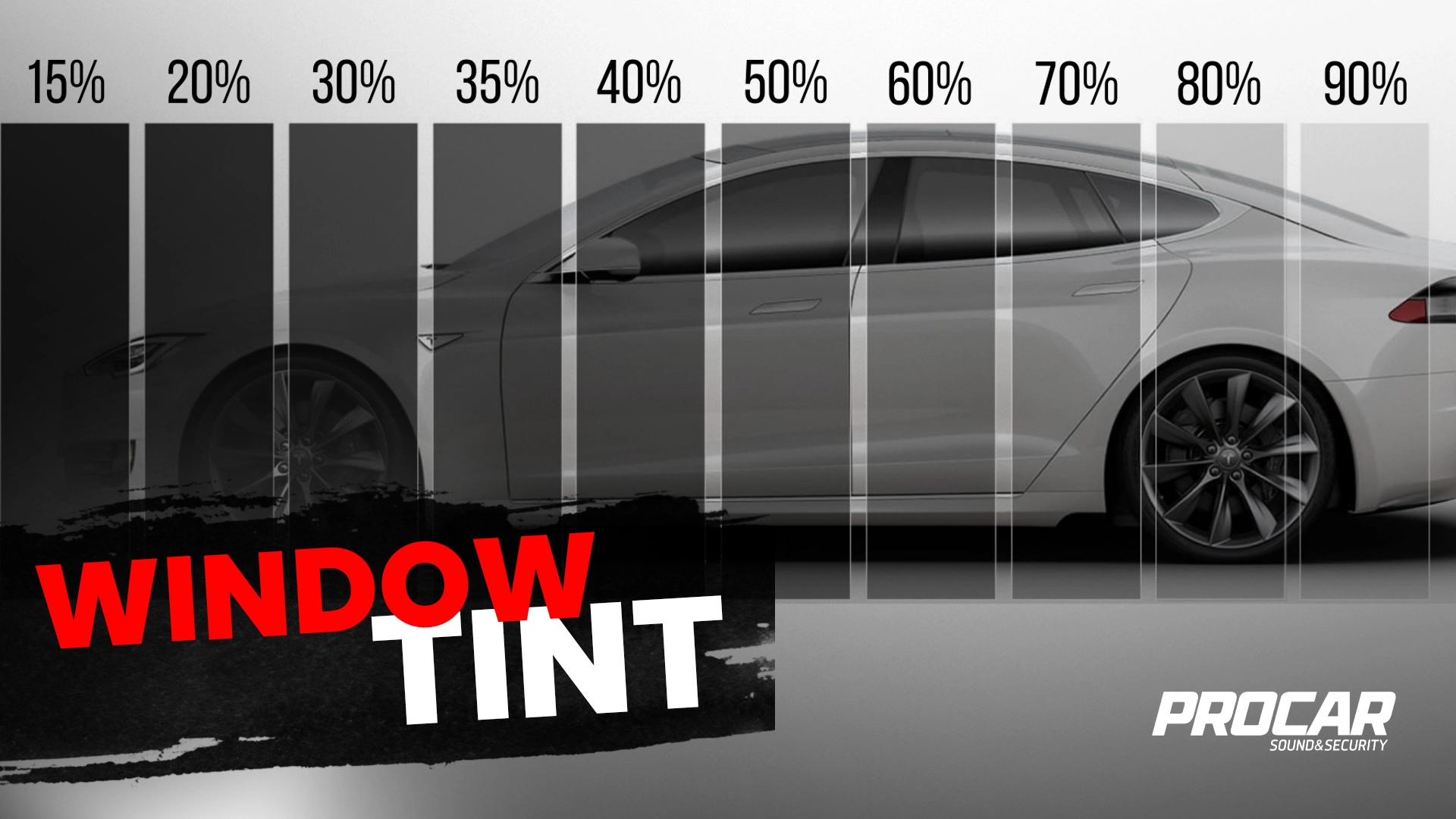
 Tom R103 days agoPeople there were so kind and helpful. They helped me pick the right tint for my car and gave a great price. Gabriel helped offered me other modifications that would suit my car. I opted for 20% tints+1Posted on Google
 Jhonatas Souza105 days agoTop ótimo atendimentoPosted on Google
 Maichel Anggello Stoco105 days agoMuito bom serviço e pessoal muito prestativo+0Posted on Google
 JC105 days agoGreat guys they gave me other options for my car with great pricing. I came for tints did amazing job, I had asked them how much to install my subs and came by same week to put them in. They’re professional and great ppl.Posted on Google
 Warley Silva106 days agoGreat service and a friendly.I had my window tint installed on the pass , and I’m very happy with the quality. Highly recommend!+0Posted on Google
 Saarem Bhatti106 days agoGreat customer service and the quality of work is top tier. Plus pricing is better than other workshops.Posted on Google
 Gerson Meono106 days agoMuy buen cervicio y el personal es muy amablePosted on Google
 Ben B106 days agoGreat job with tint on my carPosted on Google
 Ranmtiany Alves106 days agoEles são super atenciosos Estão de parabéns 🤜🤛Posted on Google
 Ericles Eduardo106 days agoObrigado pelo atendimento e atenção no trabalho do meu carro. Grato pelo trabalho bem feito e realizado.Posted on Google
 NotKloud106 days ago⭐️⭐️⭐️⭐️⭐️ Great customer service. Honestly haven’t seen a this level of care from a company in my life. Very knowledgeable and helpful with figuring out what I was looking for. And they offer a military discount 🪖🎖️. I will definitely be back.Posted on Google
 Mehdi Hadjidj107 days agoBeat experience ever. Great service . Definitely coming backPosted on Google
 Junior/giovanni Ordonez107 days agoGreat service 100% my recommendations for this place, everyone are 100% professional, I will definitely come back with any hesitations.Posted on Google
 Tobi Silvera107 days agoGood service, highly recommend. Ask for Henry, super attentive and helpful.Posted on Google
 Alexander Costa108 days agoExcelente atendimento, exemplo de elétrica, recomendação a todos!Posted on Google
 Austin Keough108 days agoCustomer service has been exceptional, listen to the issues and concerns I have and explained in detail the options availablePosted on Google
 Sea Me now108 days agoFast and great service. Windows look great. Good price. RecommendedPosted on Google
 Anyara Vasquez109 days agoGreat service and very attentive !!Posted on Google
 Gerardo Landaverde109 days agoGreat customer service… very attentive and helpful. Great knowledge with what they doPosted on Google
 Kevin Comayagua109 days agoMuy buen trabajo y lo atienden amable 100% recomendadoPosted on Google
 Nguyễn Lê Phúc Đạt110 days agoUpgrading musical horn been having hard time for technician to figuring out. No matter weather, very helpful technician, and reception willing to help u anytime. From Worcester, wish can make another business with these good guys again. Dat Nguyen+0Posted on Google
 David Tasik110 days agoAll the people are nice and have a nice waiting room plus snacks and drinksPosted on Google
 Clena Brice110 days agoGood services ,Posted on Google
 Jonathan Moz110 days agoHenríque, Juninho, Gianluca, Jp, have done a really Great Job i recomend a lot!!Posted on Google
 Thara Cherilus110 days agoIt was a good experience, good customer service and they did good work to my car.Posted on Google
 Justin Amoroso110 days agoGreat service! Quick and easy!Posted on Google
 Thomas Nunez110 days agothey did a good job with tints and adding a radio Great customer service as well!Posted on Google
 Mateo M110 days agoReally friendly service, and have so many different options for your sound system , i definitely recommend and will be coming back here to install my sound systemPosted on Google
 Carlos Fernandez112 days agoGreat experiencePosted on Google
 Jeremiah Kargbo112 days agoGreat placePosted on Google
 Henry Kakembo112 days agoReally good customer service the staff is really friendly very nice place. Would 100% recommend to anyonePosted on Google
 Henry Lizardo112 days agoPrompt service.Posted on Google
 Jordan112 days agoGreat business, great service! Very clean and professional with a lot to offerPosted on Google
 Jorge E Reyes113 days agoService was excellentPosted on Google
 Egdali Ramirez113 days agoExelente atención y buena hamavilidadPosted on Google
 hansel abreu113 days agoGreat services as always, very informative and very helpfulPosted on Google
 Boston Luxury Chauffeur113 days agoGreat service, professional staff, and excellent window tint installation. My Chevy Suburban looks amazing. Fast, clean work and fair pricing. Highly recommend!Posted on Google
 Dj Skirow114 days agoProfissionalismo, qualidade e agilidade! Super recomendo! Equipe pronta para te atender! Nota 10. A melhor de Massachusetts!Posted on Google
 It's Joc114 days agoVery friendly and very amazed with servicePosted on Google
 shihchi Shieh114 days agoThis is my 3rd dashcam I have got from this place. The service is very good. People are friendly. This time i got Gabriel at the front desk. He was extremely polite. He explained everything about how to operate the cam. You want a dashcam, this is the place to go.Posted on Google
 James Franco115 days agoGreat customer service very helpful and very caring about customersPosted on Google
 Gisela Martinez115 days agoVery helpful and polite!Posted on Google
 Ahmet faruk Ornak115 days agogüzel ilgileniyorlar üst katı var orada dünya kupası maçını izledim bir yandan kahve ve yiyecekler ikram ettiler tavsiye ederim temiz nezih bir yer+0Posted on Google
 Jayden Bueno115 days agoProbably the best customer service experience you can get anywhere. We chatted a bit about my car and options for a sound system, their wait area is super nice, snacks and coffee was offered to me overall super nice staff and really nice work donePosted on Google
 Weslin Florian115 days agoEl mejor servicio 100% recomendadoPosted on Google
 Regiane Dos Santos115 days agoGostei muito do atendimento. O atendimento foi bem rápido.Posted on Google
 Lauren Garcia115 days agoVery friendly, and good work they do.
Cloudy, yellowed headlights restored to real clarity — sealed properly so it actually lasts.
View details →Real visibility in rain, snow, and fog — wired with a proper relay, aimed so you don't blind other drivers.
View details →
Aftermarket taillights, wired correctly — no "bulb out" warnings, no water intrusion.
View details →
Free quotes on every job. Same-day appointments often available.
We use cookies to keep our site secure, improve your browsing experience, and personalize content in line with our Privacy Policy. Click Cookie Settings to manage your preferences, or accept all cookies to continue.
Choose which cookies Pro Car Sound & Security may use. Necessary cookies are always on because the site cannot work without them. You can change your choice at any time from the Cookie Settings link in the footer.
Required for the website to function — page navigation, security, and remembering this cookie choice. These cookies do not identify you personally.
Help us understand how visitors find and use our site, so we can improve it. All data is aggregated and anonymous.
Used to show you offers from Pro Car Sound & Security on other websites and to measure how well our campaigns perform.