





Index
Introduction
You’ve seen the ads online: “MPC Remote Start – Easy Install – Plug & Play”. It sounds perfect. You save money and do it yourself, right? Before you start tearing apart your dashboard, you need to know the reality behind the marketing.
Here is the hard truth: no remote starter is 100% plug-and-play. Even “easy” MPC kits often require splicing into parking lights, horn triggers, and data lines. One mistake here can fry your Body Control Module (BCM). At Pro Car Sound & Security, we offer the professional installation that keeps your warranty safe.
The “plug-and-play” myth: what they don’t tell you
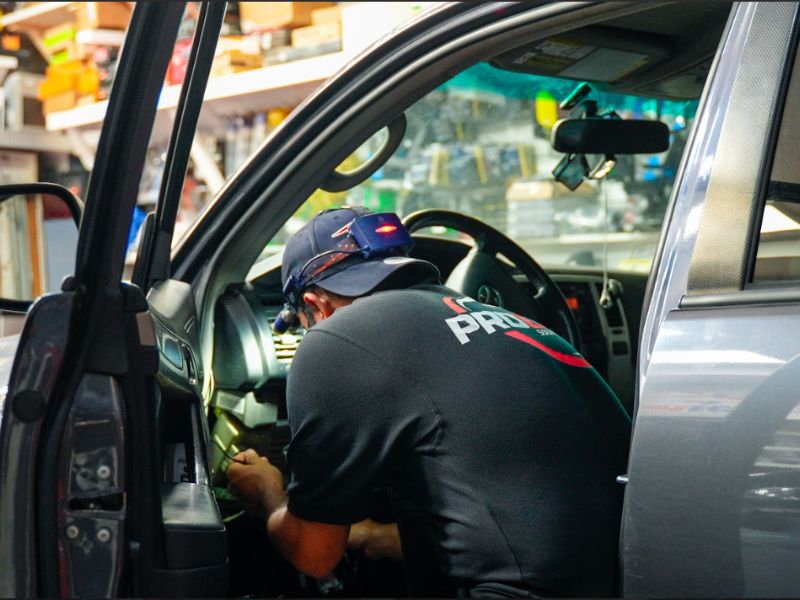
A proper MPC remote start install depends on knowing how each part interacts with your vehicle’s wiring, ensuring safe operation and reliable performance. The process focuses on identifying electrical connections, understanding system components, and following precise safety procedures to prevent costly errors.
What’s actually in the box
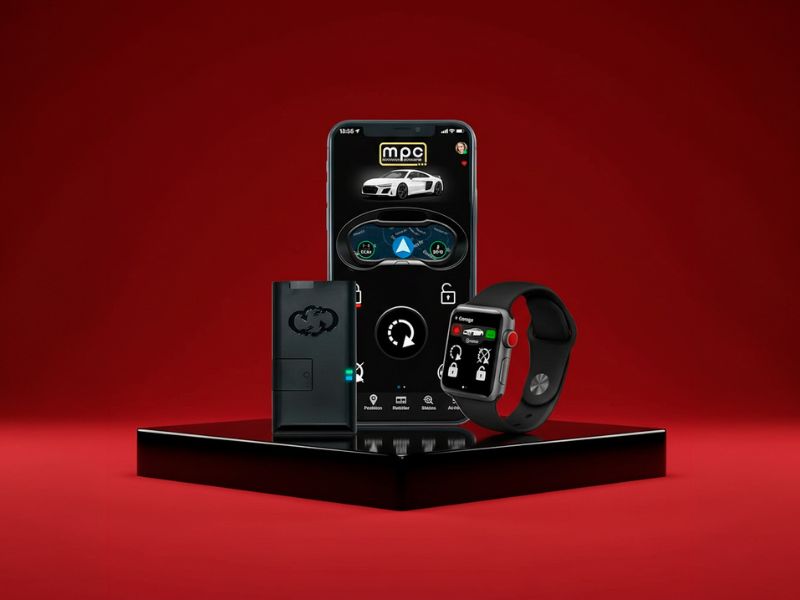
An MPC kit is usually a repackaged Crimestopper or Fortin module paired with a generic harness. While functional, programming these require specific cable loaders and software that most DIYers don’t have.
| Component | Function |
|---|---|
| Remote Start Module | Controls engine start and stop signals |
| Bypass Module | Integrates with factory security system |
| T-Harness or Wiring Harness | Connects module to vehicle wiring points |
| Remote Transmitter | Sends start commands to the system |
| Antenna | Receives wireless signals from the remote |
A professional installation ensures these components are matched correctly.
The wiring reality: why T-harnesses still need pros
A T-Harness handles the main ignition wires, but it rarely handles the immobilizer bypass. This usually requires finding and interrupting sensitive data wires measuring less than 24-gauge. If you cut the wrong one, your car won’t start—even with the key.
Improper wiring can damage sensitive electronic control units or disable the security system. That’s why it’s essential to let a trained technician handle each step. Our specialists review factory diagrams, test connection points, and confirm continuity before securing the harness.
Even small errors—like connecting a wire to the wrong circuit—can cause engine start issues or short circuits. Accurate wiring means your vehicle starts safely every time.
Essential installation tips and safety precautions
Installing a remote starter requires strict attention to detail and safety. Before working on the electrical system, always disconnect the battery to avoid shorting live leads. A stable power source and proper grounding keep the module operating reliably.
We also verify that the bypass module and vehicle immobilizer sync correctly before reconnecting everything. Skipping this step can prevent the car from starting or trigger dashboard warning lights.
We stress that an MPC remote start install isn’t a do-it-yourself job. Our trained team follows manufacturer tip sheets and uses diagnostic tools that protect your electronics. Professional installation not only ensures performance but also keeps your warranty intact and your vehicle secure.
How to prepare for a successful MPC remote start install?
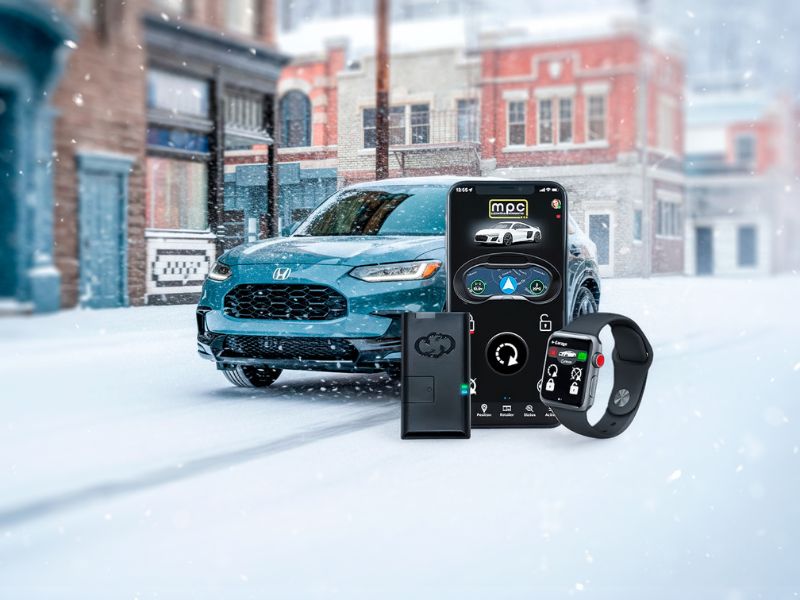
Every MPC remote start install depends on precise matching between the vehicle, wiring setup, and control module. Using the right components and professional techniques prevents system errors, wiring faults, and starting delays that could affect performance and safety.
Selecting the correct module for your vehicle
Choosing the proper remote start module is the foundation of a smooth installation. Each vehicle’s wiring architecture and security system require a module programmed to fit its make and year. Selecting the wrong unit can cause signal mismatches, failure to start, or loss of key functions such as door locks and trunk release.
At Pro Car Sound & Security, we help you choose between options like NuStart 1 Way, NuStart 2 Way, and Compustar Q9, depending on your needs for range and communication feedback. We verify compatibility using vehicle-specific data before connecting any components.
Professional installation ensures your car’s immobilizer and ignition circuits stay synchronized with the installed system. Attempting it yourself risks shorting factory wiring or leaving bypass codes incomplete, both of which could disable your ignition or trigger warning lights.
Relays and SPDTs: the technical nightmare
If the term “Single Pole Double Throw” confuses you, stop immediately. Remote starters use these relays to manage high-current ignition lines. Mis-wiring a relay can send 12 volts directly into a 5-volt computer circuit, causing catastrophic damage.
We always test continuity and voltage before sealing any harness. This avoids diagnostic trouble codes and erratic electrical behavior after activation. The wiring harness and remote start brain must connect cleanly to the factory system with solid grounds and insulated joints.
Our technicians follow strict testing steps using multimeters and signal probes to confirm that every cable operates within its rated voltage. This eliminates weak grounding or signal interference that could shorten component life.
Tech talk: the SP-402/502 module
These are common hardware platforms used in MPC kits. They are older, analog-heavy designs. While functional, they lack the sophisticated data-integration features of a modern Drone X2 or Compustar T12, which offer smartphone control and faster response times.
Our team programs these models to communicate with the vehicle’s security module so you can enjoy consistent starts even in cold weather. Incorrect configuration of these systems may lead to failed starts or remote timeouts.
Don’t let a DIY kit become a driveway nightmare

Installing an MPC kit yourself is a gamble. You might save $150 on labor, but you risk thousands in electrical repairs. Already bought a kit? Or looking for something better? Call Pro Car Sound & Security in Malden today. Let us handle the wiring so you can handle the driving.