





Index
Introduction
It happens every winter in New England. You spot a roadside sign that reads: “Remote Starters Installed – $199.” It sounds like a great deal. But before handing over the keys, ask yourself: How can anyone afford to work on a $40,000 vehicle for that price?
Remote engine starter installation isn’t like changing a tire. It requires integrating an additional computer into your vehicle’s complex data network. When done correctly, a professional installation typically costs between $350 and $800+, depending on the vehicle and system. So why the gap?
Because quality components and expert labor cost money. A “cheap” install often cuts corners on safety modules, firmware, and wiring—shortcuts that can lead to warning lights, system failures, and repairs costing thousands of dollars.
At Pro Car Sound & Security, we believe in transparency. We don’t hide fees, and we don’t skip steps. Below is exactly what goes into the cost of a safe, reliable remote starter installation you can trust.
The real investment: why you can’t trust a $199 quote
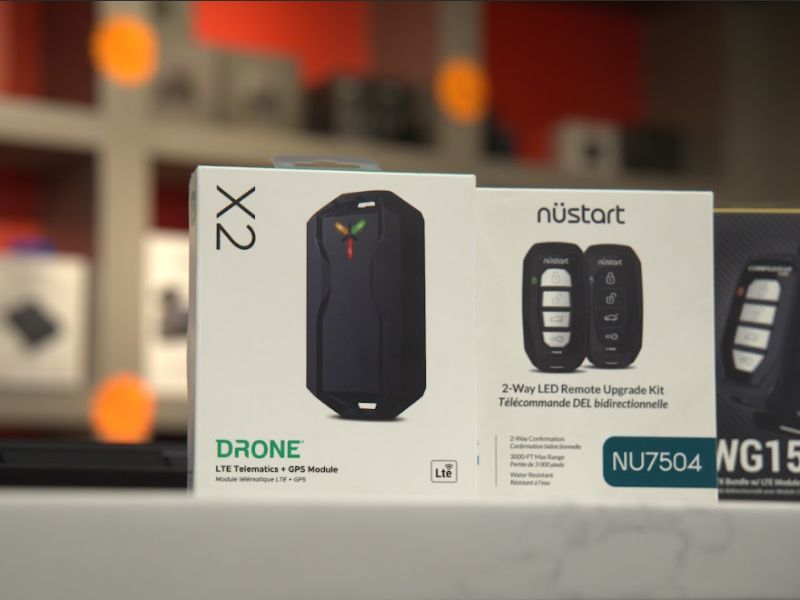
When you pay for a professional installation, you’re investing in three essentials: reliability, range, and safety. Budget quotes often leave out critical components to hit an unrealistically low price.
In many cases, a low‑cost installer uses a generic bypass module that struggles to communicate with your vehicle in extreme cold—exactly when you need your remote starter the most. Even worse, they may skip a proper T‑harness and strip factory wiring, risking electrical damage and potentially voiding your warranty.
A professional install ensures every component works together safely, consistently, and exactly as your vehicle was designed to operate.
Average price ranges for installation
Entry‑Level (1‑Way): $350 – $500
Ideal for starting your vehicle from the driveway. Simple, reliable, and cost‑effective.
Mid‑Range (2‑Way): $500 – $750
The remote confirms your car has started. Perfect for office workers or busy parking areas.
Premium (Smartphone & GPS): $700 – $1,100+
Unlimited range with full smartphone control. Start your car from anywhere in the world and add optional GPS tracking for extra peace of mind.
Where your money goes: the “brain”, the labor, and the bypass
To understand a remote start quote, you have to look inside the system. It’s not just a remote control—it’s a combination of hardware, secure integration, and expert labor.
1. The Hardware (40–50% of the Cost)
This includes the control module (“the brain”) and the remotes themselves.
Cheap units
- Limited range (often under 500 ft)
- Higher power draw that can drain your battery
Professional‑grade systems (Compustar / NuStart)
- Low‑power consumption processors
- Long‑range antennas (up to 3 miles)
- Consistent performance in extreme cold
2. The Critical Component: The Bypass Module
This is the part most people overlook.
Every modern vehicle (post‑2000) has an immobilizer system. You cannot simply hot‑wire around it.
- Cost: A quality digital interface module adds $100–$200
- Function: It securely “handshakes” with your vehicle’s computer to authorize the engine start
Cheap installs try to bypass this electronically or mechanically. We integrate it the factory‑correct way, using encrypted communication.
3. Expert Labor (The Other 50%)
This is where reliability is made—or lost.
The amateur approach
- Twisted wires
- Electrical tape that dries out and falls off in summer heat
The Pro Car Sound standard
- Soldered connections or vehicle‑specific T‑harnesses (plug‑and‑play)
- Careful trim removal with no broken clips
- Clean wire routing away from pedals, steering columns, and moving parts
Professional labor ensures your remote starter works flawlessly—not just today, but years from now.
Effect of vehicle compatibility and features on pricing
Your vehicle’s make, model, and year significantly impact installation costs. Older cars with traditional key ignitions are simpler and cheaper to work with. Newer vehicles with push-button start, immobilizer systems, and factory alarms require additional bypass modules and programming time.
Push-button start vehicles typically add $100 to $200 to your installation cost. The installer needs a special bypass module to communicate with your vehicle’s security system safely.
Luxury and European vehicles often cost more to equip with remote start. These cars have complex electronics that require specialized knowledge and equipment. We’ve seen installations on these vehicles run $200 to $400 higher than standard domestic models.
The features you want also affect pricing. Smartphone control adds $50 to $150 to your total cost. Extended range remotes cost more than basic fobs. Two-way systems with LCD screens that confirm your car started are pricier than one-way models that just send a signal.
Key components and factors in professional installation costs
Professional installation prices depend on your vehicle’s security features and the complexity of the system you choose. The bypass module, factory immobilizer requirements, and starter kit quality all shape the final remote engine starter installation cost.
Role of bypass modules and advanced integration
A bypass module works around your vehicle’s factory security to allow remote starting. Most cars built after 2000 require this component because they have built-in anti-theft systems. The module communicates with your car’s computer to confirm authorized starting.
Basic bypass modules handle standard security systems and add $50 to $150 to your installation. Advanced integration modules connect to multiple vehicle systems and cost $150 to $400. These modules handle data networks, electronic steering locks, and push-button start systems.
The installation labor increases when advanced integration is needed. Your technician must program the module to match your specific vehicle. A bypass integration module for a luxury car with complex electronics takes more time than a standard sedan setup.
Impact of factory security systems and immobilizer bypass
Factory security systems prevent unauthorized engine starts through immobilizer chips in your keys. The immobilizer bypass component lets the remote starter communicate with this system. Without proper bypass setup, your engine won’t turn over even if the starter activates.
Modern vehicles use encrypted key codes that change with each start. Your installer must use a t-harness or direct wiring to connect the bypass to the correct points in your vehicle’s system. A t-harness plugs between factory connectors without cutting wires and costs $30 to $100.
Vehicles with push-button start need more complex bypass solutions. The system must simulate both key presence and brake pedal input. This specialized work adds 1-2 hours to installation time and increases the remote engine starter installation cost by $100 to $300.
Future‑Proofing: Why Smartphone Control Is Worth the Extra $150
When choosing a remote start system, think about how you actually use your vehicle every day.
The Common Regret
Many customers save $50 by choosing a basic one‑way remote, only to realize later they can’t confirm whether their car started—especially from an office or large parking structure.
The Smart Upgrade
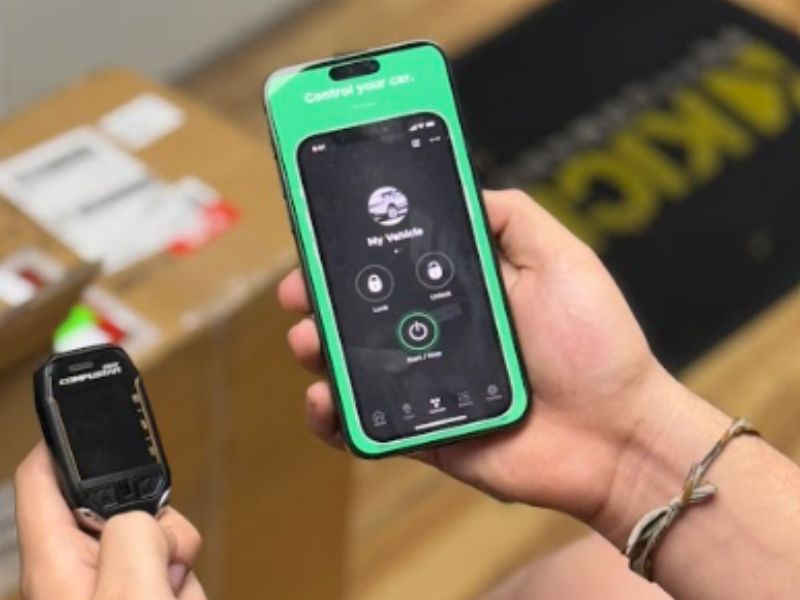
For a modest increase in total installation cost, adding a smartphone module like DroneMobile gives you unlimited range and real‑time confirmation.
Real‑World Scenario
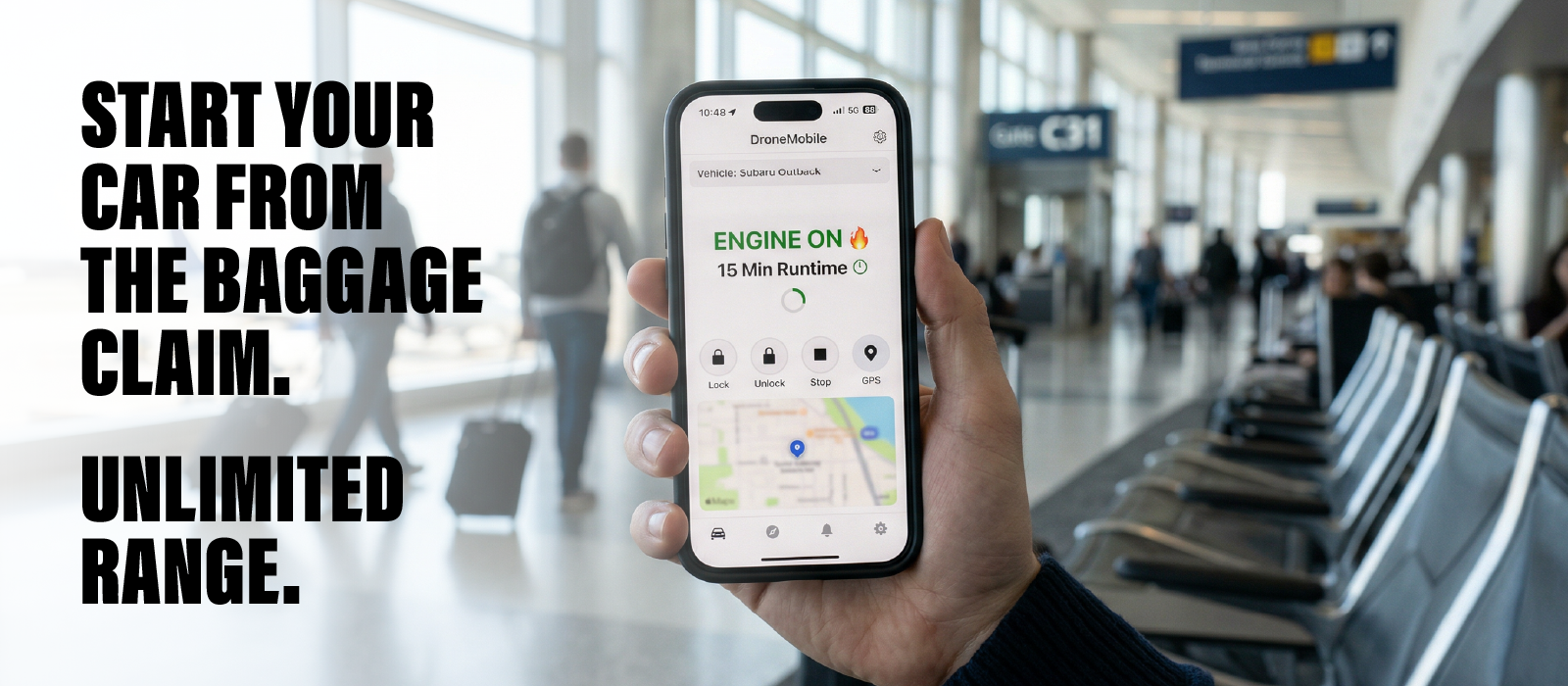
You’re landing at Logan Airport. From the baggage claim, you start your car with your phone. By the time you reach the parking garage, your vehicle is warm, defrosted, and ready to go.
That level of comfort, convenience, and confidence is why smartphone control is one of the most popular—and worthwhile—upgrades available.
The Bottom Line: Do It Once. Do It Right.

Here’s the hard truth about remote start installation costs: you get exactly what you pay for. A $199 install isn’t a bargain—it’s a liability.
That price usually means sloppy wiring, generic components that fail in sub‑zero temperatures, and zero support when problems arise. We repair “cheap installs” all winter long, and the fix often costs more than a proper installation would have in the first place.
Don’t let your vehicle become a test subject for an amateur.
At Pro Car Sound & Security, we treat your car like our own. We use:
- vehicle‑specific T‑harnesses
- industry‑leading Compustar and NuStart control modules
- installation methods backed by a lifetime labor guarantee
Whether you drive a Honda Civic or a Porsche Cayenne, you’ll receive a fair price for a premium, factory‑grade installation. Stop guessing. Start driving comfortably.